
Hyaluronic Acid Injections (HA)
Viscosupplementation to improve joint lubrication and help manage symptoms associated with osteoarthritis.
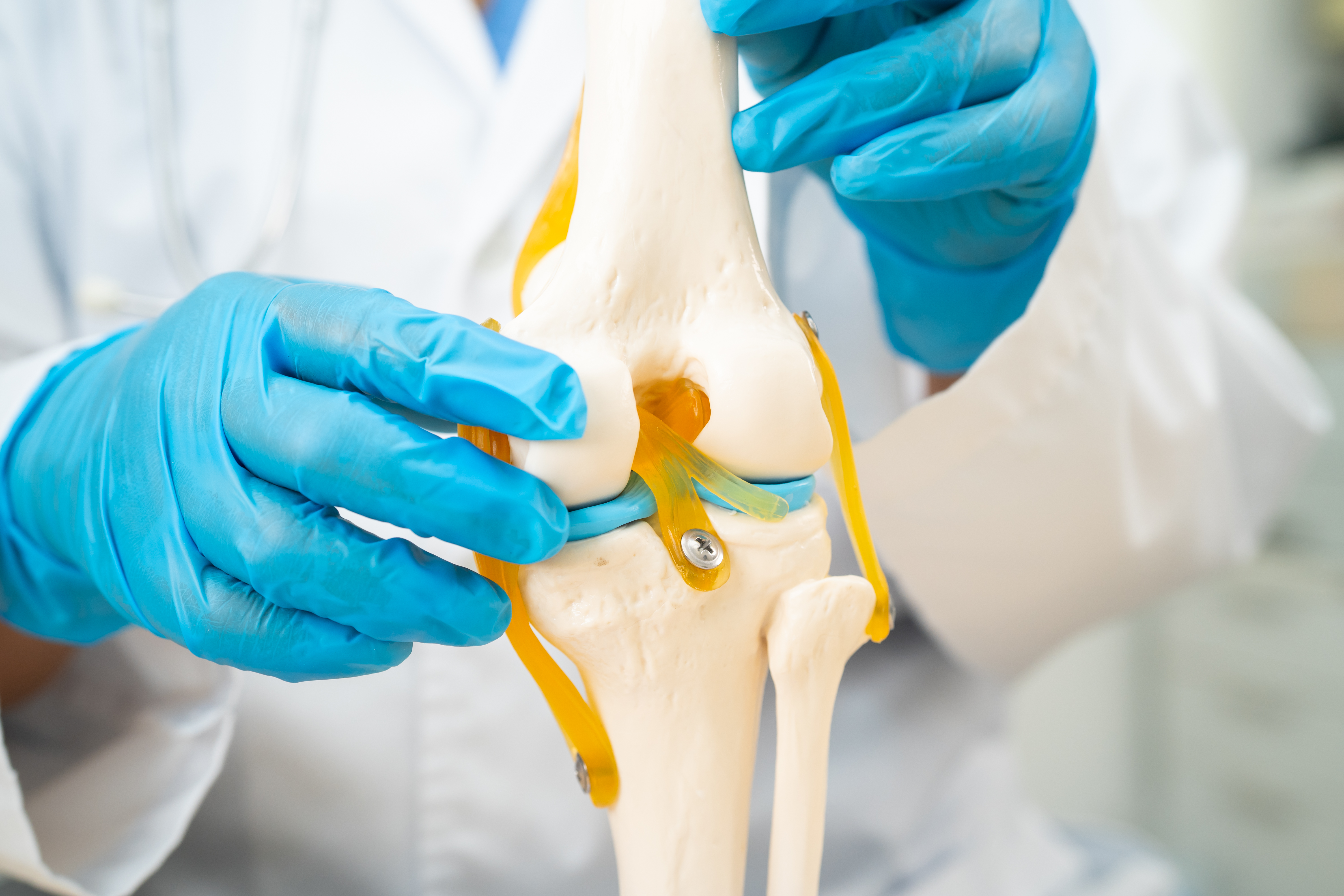
What hyaluronic acid is
Hyaluronic acid is a naturally occurring molecule found throughout the body, including within synovial fluid — the fluid that lubricates joints. In a healthy joint it contributes to lubrication, shock absorption, smooth motion between cartilage surfaces, and normal synovial fluid function.
In degenerative or irritated joints the quality of the joint environment can deteriorate. HA injections aim to improve that environment by restoring some of the joint’s natural lubricating and cushioning properties. HA is best known as a joint treatment, but may also have utility in selected peri-tendinous and soft-tissue settings.
How hyaluronic acid works
More than just lubrication
HA is often described as a ‘joint lubricant’, but that is only part of the story. In selected tissues it may help by:
Improving the viscoelastic properties of synovial fluid
Reducing mechanical friction between articular surfaces
Supporting shock absorption
Modulating local inflammatory activity
Reducing irritability and improving movement tolerance
In plain English
If a joint or soft-tissue interface has become ‘dry, irritable and mechanically unhappy’, HA may help by making that environment more forgiving. It does not rebuild a severely damaged structure, but in selected cases it can improve comfort, fluidity of motion and day-to-day function.
How HA may help different tissues
Joints
Inside a joint, HA may improve viscoelastic properties, reduce friction, support shock absorption, calm an irritable joint environment, and improve movement tolerance. This is why it is most commonly used in selected cases of early osteoarthritis, mild to moderate degenerative joint pain, patellofemoral irritation / chondropathy, and synovial irritation or post-flare joint sensitivity.
Tendons and peri-tendinous tissues
Although best known intra-articularly, HA may help in selected tendon and peri-tendinous conditions by improving tissue gliding, reducing peri-tendinous irritation, influencing the local extracellular environment, and supporting tolerance to rehabilitation — particularly in rotator cuff tendinopathy / subacromial bursopathy and selected overload syndromes. The indication needs to be chosen carefully; HA is not a universal tendon injection.
Not all hyaluronic acid is the same
Different HA products behave differently, and that matters clinically.
Molecular weight
Lower molecular weight HA may spread differently and, in some soft-tissue settings, may be explored for its biological effects. Higher molecular weight HA is generally more viscous and may provide greater mechanical support and longer residence within a joint.
Cross-linking
Some HA products are cross-linked to create a more stable structure, designed to increase dwelling time, slow degradation, prolong the viscoelastic effect, and potentially extend symptom benefit. That is one reason cross-linked products are often chosen for longer-lasting intra-articular support.
Why this matters clinically
Choosing HA is not simply ‘let’s inject hyaluronic acid’. Product choice should reflect the tissue, whether the target is intra-articular or peri-tendinous, the degree of irritability, the desired balance of biological effect and mechanical support, and the wider rehabilitation plan. At The Sports Biologics Clinic™, product choice is made deliberately — not generically.
Healing timelines: what to expect after HA
HA is generally not a ‘healing flare’ treatment in the same way as PRP. The response pattern is usually different.
First 24–72 hours: Mild post-injection discomfort, fullness or heaviness can occur.
First 1–2 weeks: Some patients begin to feel a gradual reduction in irritability.
Weeks 2–6: Improvements in pain, stiffness, gliding or movement tolerance may become more noticeable.
Up to 3–6 months: Often the window in which benefit is judged in selected degenerative joint cases, though durability varies between formulations and patients.
Important point
HA is best viewed as a treatment that may improve the joint or tissue environment rather than directly ‘repairing’ tissue. The better the diagnosis and loading plan, the more likely it is to support meaningful function.
Who hyaluronic acid may suit
Joint-related indications
Early osteoarthritis; mild to moderate degenerative joint pain
Patellofemoral irritation / chondropathy
Synovial irritation or post-flare joint sensitivity
Those seeking a non-steroid, non-surgical option within a staged joint preservation plan
Tendon / peri-tendinous indications
Rotator cuff tendinopathy / subacromial bursopathy
Tendon-related pain states where friction, gliding or peri-tendinous irritation are important contributors
Selected overload syndromes where the aim is to improve tissue tolerance and create a better environment for rehabilitation
What HA can and cannot do
What HA may do
Reduce pain in selected joints
Improve lubrication and movement quality
Calm an irritable or degenerative joint environment
Support function and tolerance to activity
Improve gliding in selected peri-tendinous environments
Fit within a broader joint preservation plan
What HA cannot do
Reverse advanced structural degeneration
Regrow cartilage
Replace rehabilitation, strength work or load management
Work equally in all joints, tendons or patients
Be treated as a generic ‘lubricant shot’
The evidence for HA is mixed and highly dependent on patient selection, product type and treatment goals. That is why it should be used thoughtfully, not automatically.
Safety and aftercare basics
Because HA is not prepared from your own blood, it is still a medical injectate and needs to be chosen appropriately.
Common short-term effects
Temporary soreness
Fullness or pressure in the joint or soft tissue
Transient flare in pain or stiffness
Bruising
Less common risks
Infection
Inflammatory reaction
No meaningful benefit
Persistent post-injection irritation
Basic aftercare principles
Relative rest for the first short period if advised, a gradual return to activity, avoiding over-testing the tissue too early, and following the plan rather than just the pain level.
Frequently asked questions
Does hyaluronic acid only work in joints?
No. While best known for intra-articular use, HA may also have value in selected tendon and peri-tendinous conditions, particularly where friction, gliding and local irritation are relevant.
What is the difference between low and high molecular weight HA?
Lower molecular weight HA may behave differently biologically; higher molecular weight HA tends to provide greater viscosity and mechanical support. Some products are cross-linked to increase dwelling time. The right choice depends on the indication.
Is cross-linked HA better?
Not universally. Cross-linked products are often designed to last longer and may suit intra-articular joint use, but the best product depends on the tissue, the goal of treatment, and the wider pathway.
Does HA help arthritis?
It may help selected patients with early or moderate joint degeneration by improving the joint environment and reducing irritability, but it is not a cure for arthritis.
How long does HA take to work?
Some patients notice improvement within days to weeks, but benefit is often judged over several weeks and may continue over a few months.
Is HA the same as PRP?
No. PRP is a blood-derived biologic signal treatment. HA is a viscosupplementation / tissue-environment treatment.
Can I exercise afterwards?
Usually yes, but with a staged plan. The exact timing depends on the tissue treated and the wider rehabilitation programme.