
PRP Injections (Platelet-Rich Plasma)
Uses your body's own growth factors to support tissue healing in selected tendon, ligament and joint conditions.
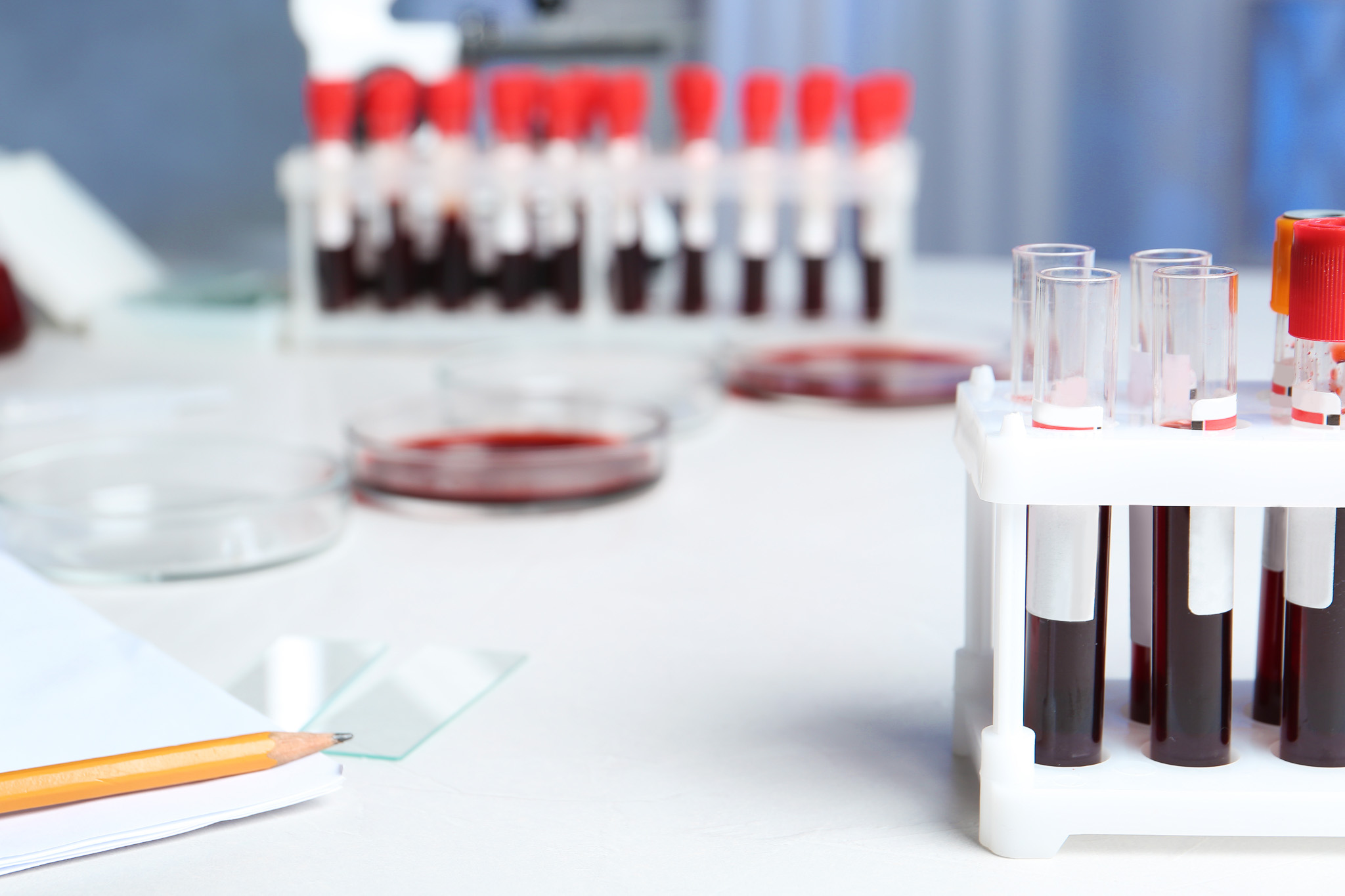
What PRP is
PRP stands for Platelet-Rich Plasma. It is prepared by taking a sample of your own blood, processing it to concentrate the platelets, and injecting that concentrated plasma into a carefully selected target tissue under ultrasound guidance where appropriate.
Platelets are best known for their role in clotting, but that is only part of their job. They also act as biologic signal carriers, with alpha granules that release growth factors, cytokines and signalling proteins into the local environment when activated.
The key idea
PRP does not ‘replace’ damaged tissue and does not work like a filler or implant. It acts as a biologic stimulus, influencing how local cells behave and helping to shift a poorly healing tissue towards a more organised repair response.
How PRP works
PRP is a signal, not a shortcut
When concentrated platelets are introduced into an area of tendon degeneration or joint irritation, they release a range of biologically active growth factors: PDGF, TGF-beta, VEGF, IGF-1, FGF and EGF.
In plain English, these growth factors work by:
Modulating inflammation — moving tissue from stalled irritation towards organised repair.
Recruiting and activating local cells — encouraging fibroblasts and connective tissue cells to remodel.
Supporting collagen repair and matrix remodelling — stimulating the proteins central to tissue quality.
Promoting blood vessel signalling where appropriate — supporting repair in poorly healing tendon.
Influencing pain biology indirectly — by altering the biochemical environment around the tissue.
PRP is not magic, and it is not a guaranteed fix. It is best thought of as a way of improving the biological conversation inside a struggling tissue — but that conversation still needs the right mechanical input through rehabilitation and progressive loading.
How PRP may help different tissues
Tendon
Tendons often become painful because they have entered a failed healing state. In selected cases PRP may help by stimulating remodelling, improving collagen signalling, shifting the tissue away from a chronically degenerative state, and creating a better environment for rehabilitation. This is why PRP often makes most sense in persistent tendinopathy where good rehabilitation has plateaued.
Ligament / enthesis
At the junction where tendon or ligament meets bone, healing can be stubborn. PRP may support tissue signalling and repair in selected enthesis-related problems, although the indication needs to be chosen carefully.
Joint / cartilage environment
Inside a joint, PRP may help by modulating inflammatory signalling, improving the biologic environment of the synovium, reducing pain and irritability in selected early degenerative conditions, and supporting tolerance to rehabilitation. In joints, PRP is less about ‘rebuilding cartilage’ and more about influencing the joint environment to improve symptoms and function.
Healing timelines: what to expect after PRP
PRP is not an instant treatment. The timeline depends on the tissue, the degree of pathology, the chronicity of symptoms, and the quality of rehabilitation.
First 48–72 hours: Local soreness, heaviness, or an inflammatory flare is common.
First 1–2 weeks: Symptoms may settle gradually, but meaningful structural change is not expected this early.
Weeks 2–6: Early biologic effects and changes in tissue irritability may begin to emerge.
Weeks 6–12: Often where more meaningful improvement becomes noticeable, especially with progressive rehab.
3–6 months: Continued tissue adaptation and functional improvement may occur over time.
The injection is only one part of the pathway. The tissue still needs the correct mechanical input. The best outcomes come when PRP creates a better healing environment, and rehabilitation builds capacity on top of that.
Who PRP may suit
PRP may be appropriate in selected patients with tendon-related conditions:
Tennis elbow / common extensor and golfer’s elbow / common flexor tendinopathy
Patellar, Achilles, proximal hamstring and gluteal tendinopathy
Selected rotator cuff tendinopathy cases
And joint-related conditions:
Early osteoarthritis and mild to moderate degenerative joint pain
Patellofemoral irritation / chondropathy
Selected synovial or inflammatory-irritative joint patterns where biologic modulation may help
Other scenarios where PRP may be considered:
Persistent symptoms despite good rehabilitation
Supporting a return to loading without jumping straight to surgery
Patients seeking a biologic option within a structured consultant-led plan
PRP is not appropriate for every painful tendon or every arthritic joint. Diagnosis, imaging, stage of pathology, treatment history and rehabilitation context all matter.
What PRP can and cannot do
What PRP may do
Reduce pain in selected tendon or joint conditions
Improve the local biologic healing environment
Support tissue remodelling in some chronic tendon problems
Help a patient progress when rehabilitation has plateaued
Delay or reduce the need for more invasive options in selected cases
What PRP cannot do
Guarantee tissue regeneration
Instantly repair a severely damaged structure
Replace physiotherapy, loading strategy or movement retraining
Work for every tear, tendon or arthritic joint
Be sold as a miracle cure
The evidence for PRP is condition-dependent — stronger in some tendon problems than others, and variable across joint indications. That is why patient selection matters so much.
Safety and aftercare basics
Because PRP is prepared from your own blood, the risk of allergy or reaction to a foreign substance is low. However, it is still a medical procedure.
Common short-term effects
Soreness at the injection site
Heaviness or aching for a few days
Temporary flare in symptoms
Bruising
Less common risks
Bleeding
Infection
No meaningful benefit
Prolonged flare or post-procedure stiffness
Basic aftercare principles
After PRP the tissue is not ‘fixed’ — it is entering a different phase of biological activity. Early relative protection is often required, followed by progressive reloading: avoid anti-inflammatory medication unless specifically advised, modify activity initially, follow the rehab/loading plan, avoid testing the tissue too early, and attend follow-up.
Frequently asked questions
Does PRP hurt?
The procedure can be uncomfortable, particularly in tendon injections, but it is usually well tolerated. Some soreness afterwards is expected.
How many PRP injections will I need?
This depends on the tissue, diagnosis, chronicity and response. Some patients improve with a single injection; others may require a staged approach.
How quickly will I notice improvement?
PRP is not immediate. Many patients are assessed over 6–12 weeks, and sometimes longer, particularly in chronic tendon pathology.
Is PRP the same as stem cells?
No. PRP uses concentrated platelets from your own blood. It is a different biologic approach from cell-based therapies.
Can I train after PRP?
Usually activity needs to be modified initially. The exact return-to-loading timeline depends on the tissue treated and your rehabilitation plan.
Is PRP evidence-based?
There is evidence supporting PRP in selected conditions, but the quality and consistency varies. This is why indication, diagnosis and delivery matter.
Is PRP better than steroid?
They do different things. Steroid suppresses inflammation and pain quickly; PRP is considered when the goal is a more biologically active repair response, particularly in chronic tendon pathology or selected joint conditions.